Listening to the South Asian community about GP access
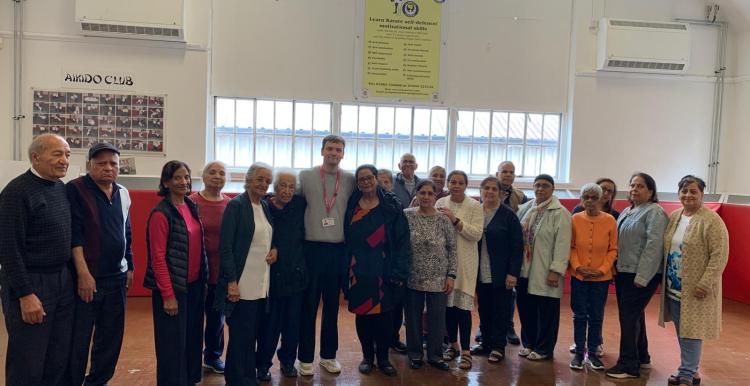
What We Found
Most Participants (79%) have the NHS app; however many highlighted challenges such as language and lack of education on how to use the app. One person told us:
"It is confusing for many Asian people and those over 65 years of age, even more so for people with dementia. A lot of us never learnt how to use computers or phones."
A majority (17 out of 19) told us their GP has advised them in the past to visit A&E, and a further 53% have tried to book appointments in person with their GP when they have struggled to gain an appointment online or over the phone.
Access for those living with dementia varies from surgery to surgery. Some people told us that they receive regular updates, such as blood test reminders, or when home visits are being conducted. One participant said:
"My GP is very good. They will do home visits, and one doctor knows my husband (who has dementia) very well."
Barriers When Accessing Services
Participants identified several barriers to accessing GP services.
Communication: Some participants struggle with English, and not all people get to speak to a doctor in the same language.
Patient preference: Some individuals expressed difficulty in requesting specific doctors and indicated a preference to choose the doctor's gender. Many participants couldn't access face to face appointments.
Accessibility: Some people said they have to rely on family members and friends to book and attend their appointments with them.
Digital exclusion: Some people find the NHS app to be too complicated to book appointments. Some participants told us that they can't have two people registered on the app at once.
Interview with Harjinder Kaur, Founder and Director of DOSTIA
Harjinder leads community engagement, using her insights into language, faith and family life to connect seldom-heard communities with services and to shape more inclusive dementia care and research. This is what she told us:
What is the biggest barrier the South Asian community faces when accessing GP appointments?
"Language is the biggest barrier. Many members of the South Asian community still struggle with their English, so would prefer to call up the GP surgery or physically go in to book an appointment. Face to face is much easier, but due to a total triage at some GPs, this is no longer an option for many people."
"I know many people who have missed their appointment because they cannot read the letters they receive through the post."
How do language barriers affect people's involvement in their own care?
"Many will accept whatever the GP tells them and not challenge the GP if they are confused about anything. I am lucky I can speak two languages, so I can challenge the GP, ask questions if I am confused, or ask for clarification about my medical issues; others accept what the GP tells them. That's why it's always wise to have someone accompany them to their appointments."
What pressures are placed on family members and friends?
"Many elderly people I know live alone, and they rely heavily on family and friends to book appointments and take them to the surgery. This can come with a lot of pressure on relatives and friends. Families can struggle at times due to their own commitments."
What additional support would you like to see for the South Asian community when accessing GP appointments?
"There needs to be more support and training for people who have the NHS app. I believe training sessions should be done in the community."
"Telephone calls for those who don't speak or read much English. Also, receptionists and doctors who can speak multiple languages should do so."
"Many people I know don't know how to use the sign-in kiosks at surgeries, because they either can't read English or find the technology too daunting. Staff should be showing patients how to use the kiosks."